House cladding contractors: Eco Friendly Cladding Choices for Green Living
Hardie board siding: Exterior Cladding Can Greatly Boost The Appearance And Protection Of Your Home
Checking out the Spectrum of Siding Products
When it concerns siding, the choices can feel like a labyrinth. Each material brings its own personality, performance peculiarities, and charm. Ever questioned why some homes boast that rustic wood appeal while others gleam with sleek vinyl panels? Let's peel back the layers and dive into the most popular siding choices that shape our neighborhoods.
Wood Siding: The Traditional Writer
Wood has an almost poetic connection with homes; it ages like great red wine, getting character through the seasons. Beware, the love of wood needs attention. It's susceptible to moisture and bugs, so regular upkeep is the rate of admission. Nevertheless, the warmth and texture it imparts? Irreplaceable.
Vinyl Siding: The Chameleon of Exteriors
If flexibility had a poster kid, vinyl siding would be it. This product is available in a rainbow of colors and textures, mimicking wood, stone, and even brick with surprising fidelity. It's low-maintenance, durable, and resistant to fading-- perfect for house owners who choose get more info to spend weekends exploring rather than scraping paint.
Fiber Cement: The Quiet Strength
Fiber cement frequently flies under the radar but loads a punch. Composed of sand, cement, and cellulose fibers, it withstands fire, bugs, and rot. Picture a siding that appears like wood but laughs in the face of termites and weather condition. It's a preferred amongst those who seek longevity without compromising visual appeals.
Metal Siding: The Modern Minimalist
Aluminum and steel siding have surged in appeal, especially for modern homes. Their streamlined lines and reflective surfaces use a modern-day twist. Plus, metal siding can shake off damages and scratches much better than you 'd expect. Curious about a siding that's both commercial and welcoming? Metal might be your answer.
Other Noteworthy Products
- Stucco: Perfect for Mediterranean vibes, it uses a textured finish that's both long lasting and energy-efficient.
- Brick Veneer: A timeless choice, delivering tough protection with traditional appeal.
- Engineered Wood: Combines the appeal of wood with improved resistance to decay.
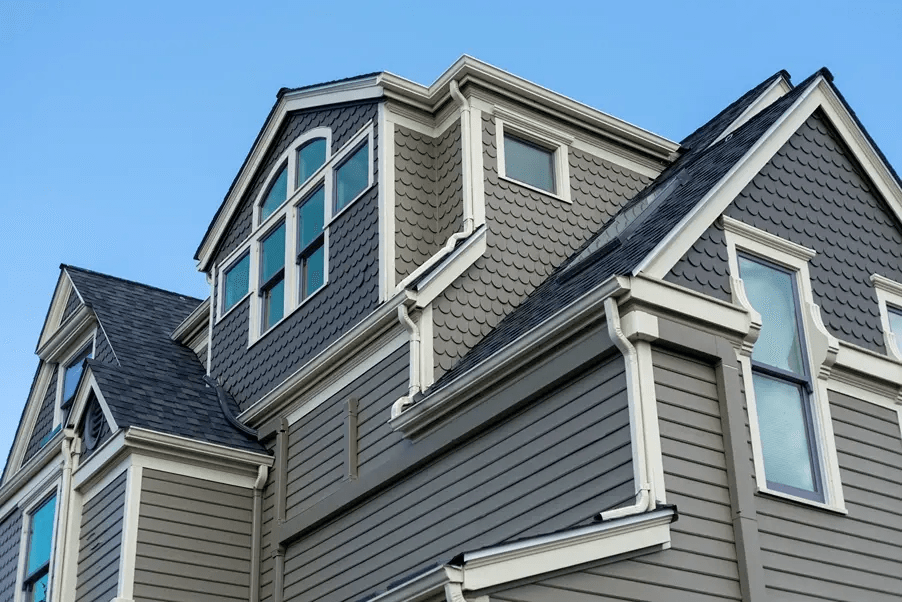
Comparison Table of Common Siding Types
| Material | Resilience | Upkeep | Look | Expense Performance |
|---|---|---|---|---|
| Wood | Moderate | High | Natural, warm | Medium |
| Vinyl | High | Low | Varies widely | High |
| Fiber Cement | Very High | Low | Wood-like | Medium |
| Metal | High | Low | Modern, smooth | Medium |
| Stucco | High | Medium | Textured | Medium |
Picking the ideal siding often boils down to a mix of personal taste and useful requirements. After all, your home's exterior isn't almost protection-- it's a canvas reflecting your distinct story. What does your siding say about you?
Mastering the Art of Siding Installation
Ever observed how a home's outside can either whisper or yell its personality? The installation methods behind siding hold the secret to that subtle or strong declaration. When it pertains to siding, accuracy is non-negotiable; a single misaligned slab can invite wetness or let cold drafts sneak in, undermining years of effort.
Preparation: The Unsung Hero
Before the first nail hits the wood or vinyl, comprehending the substrate is critical. Is the sheathing level!.?. !? Are there spaces behind the old siding that could trap water? Neglecting these information typically results in warping or early degeneration. A skilled installer will constantly:
- Inspect and repair the sheathing surface area.
- Set up a top quality weather-resistant barrier to eliminate moisture seepage.
- Think about adding furring strips for improved airflow in cases of unequal walls.
Nailing Strategies: More Than Simply Hammer and Nail
One may believe that nailing is uncomplicated-- struck the slab, secure it, done. However each siding product requires a special technique. For example, wood siding requires nails long enough to permeate the sheathing but not so deep that they split the plank. Vinyl, on the other hand, demands a fragile balance; nails should enable for growth and contraction to prevent buckling.
Here's a fast rundown of expert nailing tips:
- Use galvanized or stainless-steel nails to withstand rust.
- Leave a minor space in between nail head and siding surface to accommodate motion.
- Space nails equally-- too close and the siding can crack; too far and it might loosen.
Joint Methods and Overlaps
Seams can be the Achilles' heel of siding setup. Have you ever seen siding panels that look like they're gradually peeling off? Frequently, it's due to improper overlapping or improperly sealed joints. Welcoming a shingle-style overlap, where each panel covers the one listed below by about an inch, produces a natural water-shedding impact.
Pro tips include:
- Stagger joints in between courses to lessen water invasion.
- Usage flexible, paintable caulking moderately to seal corners and joints.
- Make sure that corner posts are firmly fitted however still enable material motion.
Working with Corners and Trim
Corners aren't simply visual details-- they're stress points. Installing J-channels and corner trims effectively requires patience and skill. A common trap is cutting corners too tight, which limits siding expansion and results in warping or bubbling. Permitting a little gap and after that sealing with an appropriate trim helps preserve integrity gradually.
Advanced Techniques: Beyond the Essentials
| Strategy | Purpose | Advantage |
|---|---|---|
| Rain Screen Setup | Develops a ventilated cavity behind siding | Improves moisture management and extends siding life expectancy |
| Butt Joints with Flashing | Prevents water ingress at panel ends | Boosts resilience and lowers maintenance |
| Custom-made Furring Strip Layouts | Guarantees even siding surface area on irregular walls | Enhances visual appeals and siding performance |
Have you ever questioned why some siding jobs look flawless for decades, while others show wear after a few seasons? The secret lies not simply in the products however in the finesse of setup. Every cut, every nail, every overlap narrates-- a story of workmanship, weather-readiness, and attention to information.
Repair And Maintenance Tips for Siding
When you glimpse at your home's outside, the siding frequently bears the impact of time and weather condition. But have you ever paused to consider what prowls behind that lovely exterior? Wetness can sneak in through tiny cracks, turning a minor acne into a pricey headache. That's why regular inspection isn't just great practice-- it's vital.
Envision this: a little chip in your vinyl siding, apparently unimportant, ends up being the entry point for water throughout a storm. Weeks later, surprise rot festers below, calmly eroding your home's structure. This is where an expert's eye and timely action save you from prolonged damage.
Spotting Difficulty Early
- Try to find discoloration or warping, which often signals water seepage.
- Listen for hollow noises when tapping the siding; they may reveal loose panels or underlying decay.
- Check caulking around windows and doors-- with time, it can break and jeopardize the seal.
Lots of house owners underestimate the importance of cleaning their siding. Dirt and mildew don't just mar the appearance; they accelerate wear. Using a soft brush with a mild cleaning agent keeps surfaces fresh without damaging the material. Prevent high-pressure cleaning unless you know the siding type can manage it-- otherwise, you risk forcing water behind the panels.
Simple Repairs That Make a Difference
- Fill minor cracks or holes with top quality exterior-grade sealants to avoid water invasion.
- Change harmed panels without delay to keep the siding's integrity and curb appeal.
- Repaint wood siding every few years, but do not just slap on paint-- sand and prime first to make sure long lasting adhesion.
Here's a nugget frequently ignored: when fixing, constantly match the siding's expansion residential or commercial properties. Neglecting this can trigger panels to buckle or gaps to form later on, undoing your efforts.
Seasonal Siding Care
| Season | Upkeep Focus | Pro Tips |
|---|---|---|
| Spring | Check for winter damage; clean mildew | Utilize a vinegar service for mildew elimination-- environmentally friendly and effective |
| Summertime | Check and repair caulking; repaint if needed | Paint throughout mild temperature levels to prevent quick drying and cracking |
| Fall | Clear rain gutters to prevent water damage | Trim trees to prevent branches scraping siding throughout winter season storms |
| Winter | Display for ice dams and snow accumulation | Use gentle snow removal tools; avoid sharp items |
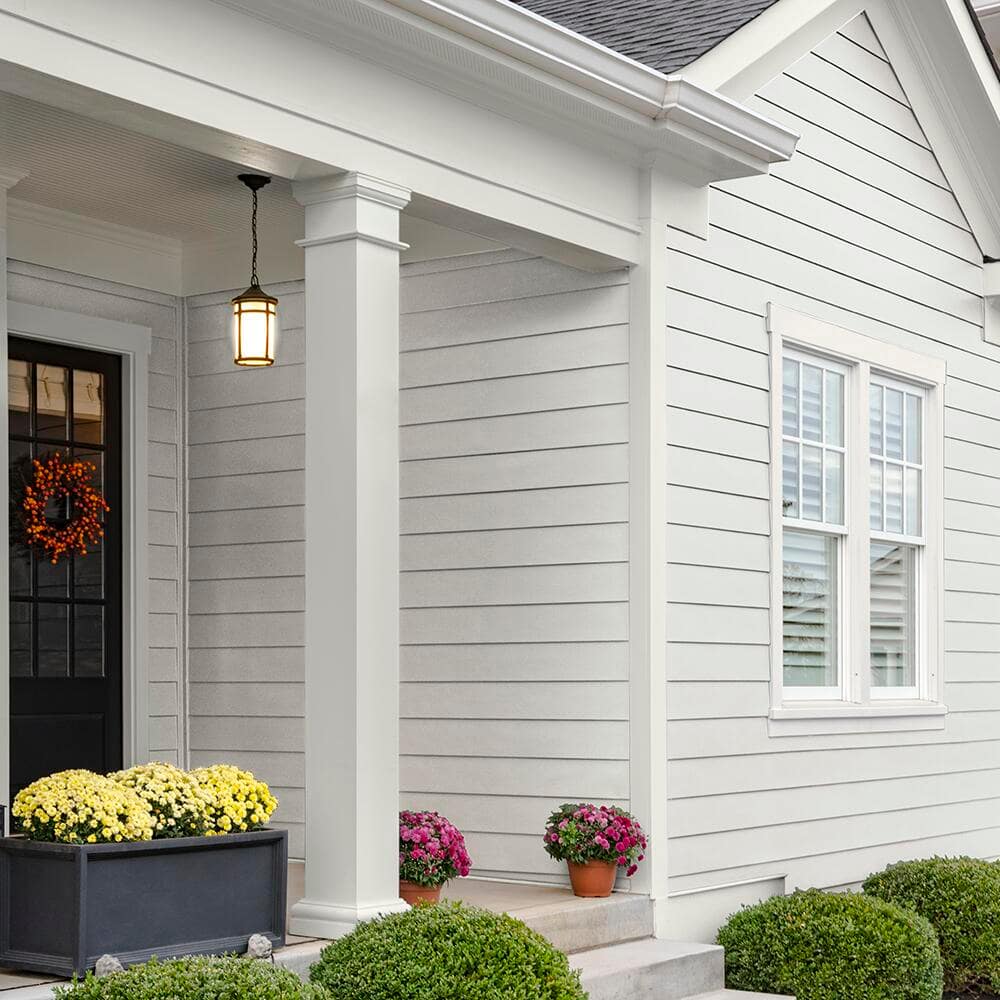
Ever wondered why some siding lasts decades while others falter quickly? The answer often depends on the subtle subtleties of upkeep. It's not just about responding to visible defects but preparing for how your home's environment will interact with its exterior. By mastering these repair and maintenance techniques, you transform siding from a simple protective shell into a lasting architectural property.
Environmental Impact and Sustainability
When thinking about siding, the concern isn't just how it looks or lasts-- it's how it lives with the planet. Have you ever paused to believe about the causal sequence your choice of outside material has on the environment? The manufacturing process alone might amaze you. For example, standard vinyl siding, while popular for its toughness and low upkeep, often includes petrochemical derivatives that linger in communities long after disposal.
Wood siding, on the other hand, offers a sustainable resource, however it's not without its own eco-friendly footprint. The carbon cost of harvesting old-growth trees and the energy used in treatment and transport can be significant. When sourced properly, wood acts like a carbon sink, locking away CO2 rather than launching it.
Sustainability Metrics to Think About
- Embodied energy: The total energy consumed during extraction, production, and installation.
- Durability and maintenance frequency: How often will the siding need repairs or replacement?
- End-of-life recyclability: Can the product be repurposed or does it wind up in landfill?
- Thermal efficiency: Does the siding add to energy effectiveness, minimizing heating and cooling demands?
Let's not overlook the typically ignored effect of siding color and finish. Lighter shades show sunshine, minimizing heat absorption and reducing cooling expenses in warmer environments. Darker siding might increase energy loads but can be advantageous in cooler regions seeking passive solar gain.
Professional Tips for Eco-Friendly Siding Choices
- Opt for siding made from recycled content whenever possible; it decreases need for virgin materials.
- Look for items with third-party sustainability certifications to validate environmental claims.
- Consider fiber cement siding, which blends cement, sand, and cellulose fibers-- providing sturdiness with less environmental toll than vinyl.
- Ensure correct insulation below siding to take full advantage of energy performance, as siding alone isn't a thermal barrier.
- Keep your siding regularly; a well-kept exterior extends lifespan and delays replacement.
Remember the old farmhouse down the lane? Its weathered cedar siding has stood for over a century due to the fact that it was crafted from locally sourced timber and kept with care, proving that sustainability isn't almost new technology-- it has to do with regard for products and environment. Could siding options today echo that longevity and environmental mindfulness?